


حلل علماء ما يعتقد أنه أقدم حمض نووي بشري على الإطلاق، ووجدوا أنه يثير تساؤلات وشكوكاً حول قصة تطور الإنسان.
وكان العلماء قد استخرجوا الحمض النووي من عظم الفخذ لشخص توفي قبل 400 ألف سنة، بعد العثور على حوالي 28 هيكلاً عظمياً في كهف في "لا سيما دي لوس هيسوس" شمالي إسبانيا.
وتمكن فريق العلماء بقيادة الدكتور ماتياس ماير، من الحصول على تسلسل الشفرة الوراثية كاملة تقريباً، أو "الجينوم"، من الميتوكوندريا الخاصة بهذه العظام، التي تعد مجمعات طاقة صغيرة في الخلايا ولها حمض نووي متفرد لا مثيل له في أي شخص أو حيوان آخر.
ويتم توريث ميتوكوندريا الحمض النووي، التي يشار إليها بـ"mtDNA" من الأمهات فقط، ويمكن استخدامها لتتبع الأنساب.
وقال الخبراء إن العمل يظهر أن تقنيات جديدة للتعامل مع الأحماض النووية القديمة قد تؤدي إلى مزيد من الاكتشافات حول أصول الإنسان.
وبعد التحليل تبين أن الحمض النووي الذي استخلص من بقايا موجودة في إسبانيا ينتمي إلى "إنسان هايدلبرغ"، كما أنه يحمل أيضا سمات نموذجية من البشر البدائيين أو ما يعرف بإنسان نياندرتال.
يذكر أن العلماء يعتقدون أن إنسان هايدلبرغ هو الأصل المباشر لإنسان نياندرتال.
وقد توقع الباحثون في أن يجدوا "حلقة الوصل" تلك، لكنهم فوجئوا باكتشاف علاقة جينية أقرب إلى ما يعرف بإنسان دينيسوفا، الذي عاش في سيبيريا وعلى ما يبدو في أماكن أخرى في آسيا ، بعيداً عن الكهوف الإسبانية، وهو أمر لا يستطيع العلماء التأكد من كيفية تفسيره.
وقال الأستاذ في متحف التاريخ الطبيعي في لندن، كريس سترينغر: "يمكن أن تكون هذه النتيجة غير عادية نظراً لسيناريوهين اثنين على الأقل من سيناريوهات مختلفة، يرتبطان بوراثة mtDNA من الأمهات والسهولة التي يمكن أن تضيع في سلسلة النسب.
وأوضح سترينغر أن أحد السيناريوهات هو أن الحمض النووي mtDNA يعود إلى السكان القدماء، أي أجداد سكان "سيما" و"دينيسوفا"، وهو الحمض الذي فقد في تسلسل الأنساب في إفريقيا وغرب أوراسيا.
أما السيناريو الثاني فهو أن الأجداد القدماء تزاوجوا واختلطوا في أوراسيا ، فنقلوا الحمض النووي المميز لهم قبل أن يضيع لاحقاً في تسلسل إنسان نياندرتال واحتفظ به إنسان دينيسوفا السيبيري.
وأضاف أنه في الحالتين يمكن أن يساعد هذا الاكتشاف الجديد "على البدء في تفكيك العلاقات بين مختلف الجماعات البشرية المعروفة منذ 600 ألف عام ماضت".
يشار إلى أن النتائج نشرها علماء في معهد "ماكس بلانك" للتطور البشري في لايبزيغ بألمانيا في موقع دورية "نيتشر" العلمية على الإنترنت.


+ إنشاء موضوع جديد
النتائج 1 إلى 2 من 2
-
12-06-2013 #1
 مشرف منتدى حول المهديرقم العضوية : 29تاريخ التسجيل : Sep 2010المشاركات : 2,247التقييم: 32
أقدم حمض نووي يثير أسئلة حول التطور
-
12-06-2013 #2
مشرف منتدى حول المهديرقم العضوية : 29تاريخ التسجيل : Sep 2010المشاركات : 2,247التقييم: 32Max Planck researchers sequence the mitochondrial genome of a 400,000-year-old hominin from Spain
December 04, 2013
Using novel techniques to extract and study ancient DNA researchers at the Max Planck Institute for Evolutionary Anthropology in Leipzig, Germany, have determined an almost complete mitochondrial genome sequence of a 400,000-year-old representative of the genus Homo from Sima de los Huesos, a unique cave site in Northern Spain, and found that it is related to the mitochondrial genome of Denisovans, extinct relatives of Neandertals in Asia. DNA this old has until recently been retrieved only from the permafrost.
 Zoom Image Skeleton of a Homo heidelbergensis from Sima de los Huesos, a unique cave site in Northern Spain.
© Javier Trueba, Madrid Scientific Films
Sima de los Huesos, the “bone pit”, is a cave site in Northern Spain that has yielded the world’s largest assembly of Middle Pleistocene hominin fossils, consisting of at least 28 skeletons, which have been excavated and pieced together over the course of more than two decades by a Spanish team of paleontologists led by Juan-Luis Arsuaga. The fossils are classified as Homo heidelbergensis but also carry traits typical of Neandertals. Until now it had not been possible to study the DNA of these unique hominins.
Matthias Meyer and his team from the Max Planck Institute for Evolutionary Anthropology in Leipzig, Germany, have developed new techniques for retrieving and sequencing highly degraded ancient DNA. They then joined forces with Juan-Luis Arsuaga and applied the new techniques to a cave bear from the Sima de los Huesos site. After this success, the researchers sampled two grams of bone powder from a hominin thigh bone from the cave. They extracted its DNA and sequenced the genome of the mitochondria or mtDNA, a small part of the genome that is passed down along the maternal line and occurs in many copies per cell. The researchers then compared this ancient mitochondrial DNA with Neandertals, Denisovans, present-day humans, and apes.
From the missing mutations in the old DNA sequences the researchers calculated that the Sima hominin lived about 400,000 years ago. They also found that it shared a common ancestor with the Denisovans, an extinct archaic group from Asia related to the Neandertals, about 700,000 years ago. “The fact that the mtDNA of the Sima de los Huesos hominin shares a common ancestor with Denisovan rather than Neandertal mtDNAs is unexpected since its skeletal remains carry Neandertal-derived features”, says Matthias Meyer. Considering their age and Neandertal-like features, the Sima hominins were likely related to the population ancestral to both Neandertals and Denisovans. Another possibility is that gene flow from yet another group of hominins brought the Denisova-like mtDNA into the Sima hominins or their ancestors.
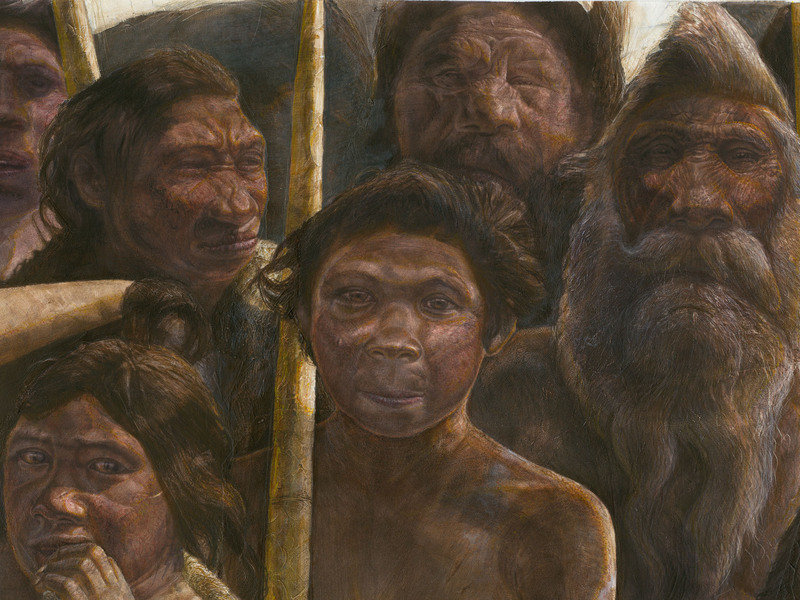
 Zoom Image The Sima de los Huesos hominins lived approximately 400,000 years ago during the Middle Pleistocene.
© Kennis & Kennis, Madrid Scientific Films
“Our results show that we can now study DNA from human ancestors that are hundreds of thousands of years old. This opens prospects to study the genes of the ancestors of Neandertals and Denisovans. It is tremendously exciting” says Svante Pأ¤أ¤bo, director at the Max Planck Institute for Evolutionary Anthropology.
“This unexpected result points to a complex pattern of evolution in the origin of Neandertals and modern humans. I hope that more research will help clarify the genetic relationships of the hominins from Sima de los Huesos to Neandertals and Denisovans” says Juan-Luis Arsuaga, director of the Center for Research on Human Evolution and Behaviour. The researchers are now pursuing this goal

 رد مع اقتباس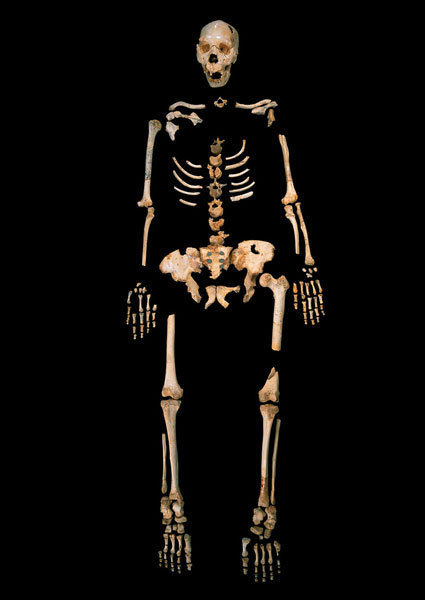
معلومات الموضوع
الأعضاء الذين يشاهدون هذا الموضوع
الذين يشاهدون الموضوع الآن: 1 (0 من الأعضاء و 1 زائر)